Platelets (PLT, Platelet count, Thrombocytes, Thrombocyte count, PLT count)
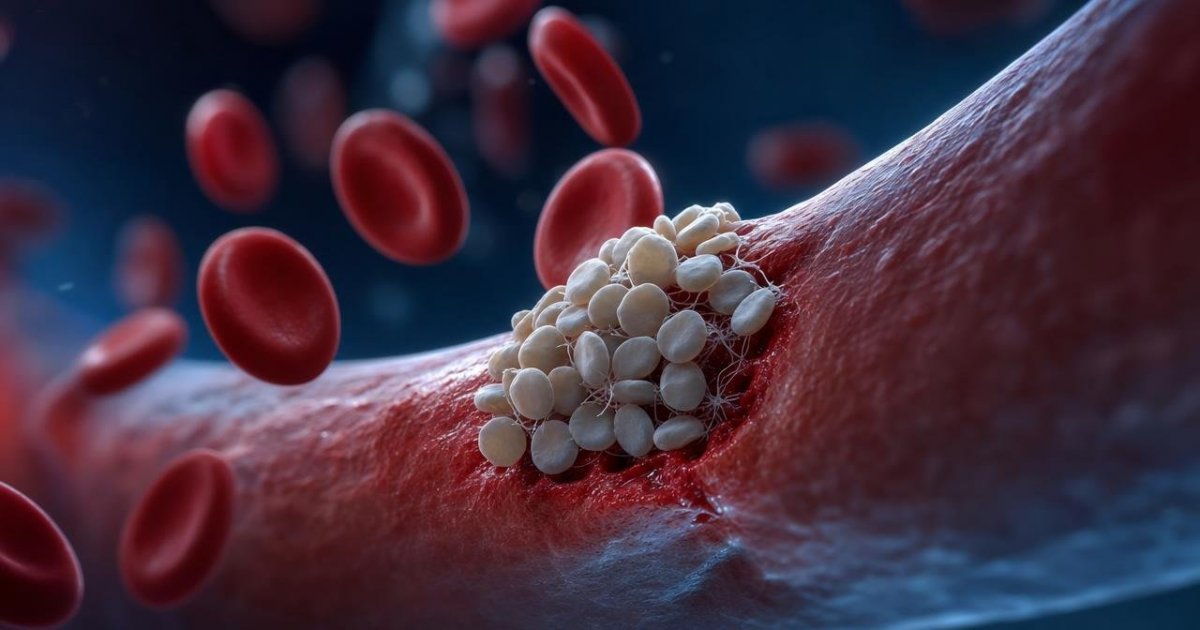
Platelets, also called thrombocytes, are the smallest components of your blood — tiny cell fragments produced in the bone marrow from large parent cells called megakaryocytes. Their job is emergency repair: when a blood vessel is cut or damaged, platelets rush to the site, change shape, stick to the vessel wall and to each other, and form a plug that stops the bleeding while more durable clotting proteins reinforce it. A platelet lives only about 8 to 10 days, so your marrow is constantly making new ones — roughly a hundred billion a day.
The platelet count on your lab report simply measures how many of these fragments are circulating per microliter of blood. For adults, most US labs consider 150 to 450 x10³/µL (that is, 150,000 to 450,000 per microliter) the normal range. Because that range covers the middle 95% of healthy people, about 1 in 20 perfectly healthy adults will fall slightly outside it — which is one reason doctors care more about how far outside the range a result is, and which direction it's trending, than about a single borderline number.
A low count (thrombocytopenia) shifts the concern toward bleeding and bruising; a high count (thrombocytosis) is most often the marrow reacting to something else entirely — low iron, infection, inflammation — and only occasionally reflects a bone marrow condition of its own. In both directions, the number is a starting point for finding a cause, not a diagnosis by itself.
Reference ranges
Adults
Most US labs use 150 to 450 x10³/µL as the normal adult platelet range for both men and women, following the convention used by MedlinePlus and major US reference laboratories. Severity cut-points follow the most widely used US conventions: counts below 20 are commonly flagged as critical lows, and counts of 1,000 or more (extreme thrombocytosis) as critical highs. The scale on this page runs from 10 to 750, so results beyond either end fall into the outermost band — the band text explains what that means for genuinely extreme results.
How to read your result
Reading a low result: severity tracks the number fairly closely. From 100 to 150 x10³/µL, bleeding risk is essentially normal and the main question is whether the count is stable. From 50 to 100, everyday risk stays small but procedures need planning. Below 50, bruising and bleeding from injury become genuine concerns, and below 20 spontaneous bleeding is possible — that's the critical zone where labs phone the doctor. Always remember that a falsely low count from platelet clumping in the tube is common enough that unexpected low results get repeated before anyone acts on them.
Reading a high result: the number matters less than the reason. Counts from 450 to 600 are usually reactive and often transient; the work-up is mostly a repeat test plus a look for iron deficiency, infection, or inflammation. Counts that stay elevated with no reactive explanation — or that sit above 600 — prompt a closer look at the bone marrow itself, typically starting with gene tests (like JAK2) and sometimes a hematology referral. Clotting risk in thrombocytosis depends far more on the underlying diagnosis and your cardiovascular risk factors than on the count alone.
What can shift this value
- Recent viral infections — counts commonly dip for a few weeks afterward
- Medications: heparin, some antibiotics, anti-seizure drugs, and chemotherapy can lower counts; recent discontinuation of some can cause a rebound rise
- Alcohol — regular heavy use suppresses platelet production
- Pregnancy — counts typically run somewhat lower, especially in the third trimester
- Iron deficiency — a very common cause of high counts
- Spleen status — an enlarged spleen traps platelets and lowers the count; a removed or non-working spleen raises it
- Infection and inflammation — both push counts upward as an acute-phase response
- Strenuous exercise or physical stress shortly before the blood draw can nudge the count up temporarily
- Tube artifact — platelets clumping in the standard EDTA tube read falsely low (pseudothrombocytopenia)
- Lab-to-lab variation — reference ranges and counting methods differ slightly between laboratories
When it's tested
Platelets are part of every complete blood count (CBC), so they're checked at routine physicals, before surgery, during pregnancy, and whenever a CBC is ordered for any reason. Doctors also order the count specifically to investigate unusual bruising or bleeding, to monitor chemotherapy and other marrow-suppressing treatments, to follow liver disease or immune conditions, and to track a previously abnormal result. It is not part of a metabolic panel (CMP) or lipid panel.
US reports of x10³/µL, international reports of x10⁹/L, and plain 'thousands per microliter' are all numerically identical — 250 x10³/µL equals 250 x10⁹/L equals 250,000/µL — so no conversion is ever needed.
Frequently asked questions
Is your value x10³/µL a normal platelet count?
For adults, most US labs consider 150 to 450 x10³/µL normal. Where your number falls within — or outside — that range tells you which direction to explore with your doctor.
What platelet count is dangerously low?
Bleeding risk rises meaningfully below 50 x10³/µL, and counts under 20 are treated as critical because spontaneous bleeding becomes possible — the risk is highest below 10. Between 50 and 150, day-to-day risk is generally small; the main concern is finding the cause and taking precautions before surgery or dental work.
What does a high platelet count mean — should I worry about your value?
A count above 450 x10³/µL is called thrombocytosis. The most common causes are reactive — the marrow responding to iron deficiency, infection, inflammation, surgery, or blood loss — and reactive elevations rarely cause harm on their own. Less commonly, a persistently high count comes from a bone marrow condition such as essential thrombocythemia, which is why unexplained, sustained elevations get a work-up. At the extreme end, counts of 1,000 or more are widely treated as critical values needing same-day attention.
Can a platelet count be wrong, or change on its own?
Yes to both. Platelets can clump in the standard collection tube and read falsely low — a repeat test in a different tube sorts this out. Real counts also move: viral illnesses temporarily lower them, infections and inflammation raise them, and pregnancy commonly lowers them somewhat. That's why a single unexpected result is usually confirmed before any big conclusions are drawn.
Do I need treatment for an abnormal platelet count?
Often not directly — treatment targets the cause, not the number. Many mildly abnormal counts need only monitoring, or resolve when an infection clears, a medication is changed, or iron deficiency is corrected. Whether your specific result needs treatment is a conversation for your doctor, guided by the cause, the trend, and your symptoms.
Does a high platelet count mean cancer?
Usually not. Most high platelet counts are reactive — the bone marrow responding to iron deficiency, infection, inflammation, or recent surgery — and settle once the trigger is treated. Cancer is one item on the reactive list, and an unexplained, persistent elevation is one reason doctors do a thorough work-up, but it is far from the most common explanation. Even essential thrombocythemia, the main bone marrow cause, is a slow-moving chronic condition that most people manage for decades — very different from an aggressive cancer.
Can I raise a low platelet count with diet or supplements?
There is no food or over-the-counter supplement proven to raise a platelet count in a meaningful way, with one real exception: if a vitamin B12 or folate deficiency is the cause, correcting it works. The reliable path is treating whatever is lowering the count — stopping a culprit medication, cutting back alcohol, or treating an infection or immune cause. Be cautious with 'platelet-boosting' supplements: some products (and alcohol) can actually make platelet problems worse, so run anything you're considering past your doctor.
Browse Platelets values
All 741 values from 10 to 750 x10³/µL
- 10
- 11
- 12
- 13
- 14
- 15
- 16
- 17
- 18
- 19
- 20
- 21
- 22
- 23
- 24
- 25
- 26
- 27
- 28
- 29
- 30
- 31
- 32
- 33
- 34
- 35
- 36
- 37
- 38
- 39
- 40
- 41
- 42
- 43
- 44
- 45
- 46
- 47
- 48
- 49
- 50
- 51
- 52
- 53
- 54
- 55
- 56
- 57
- 58
- 59
- 60
- 61
- 62
- 63
- 64
- 65
- 66
- 67
- 68
- 69
- 70
- 71
- 72
- 73
- 74
- 75
- 76
- 77
- 78
- 79
- 80
- 81
- 82
- 83
- 84
- 85
- 86
- 87
- 88
- 89
- 90
- 91
- 92
- 93
- 94
- 95
- 96
- 97
- 98
- 99
- 100
- 101
- 102
- 103
- 104
- 105
- 106
- 107
- 108
- 109
- 110
- 111
- 112
- 113
- 114
- 115
- 116
- 117
- 118
- 119
- 120
- 121
- 122
- 123
- 124
- 125
- 126
- 127
- 128
- 129
- 130
- 131
- 132
- 133
- 134
- 135
- 136
- 137
- 138
- 139
- 140
- 141
- 142
- 143
- 144
- 145
- 146
- 147
- 148
- 149
- 150
- 151
- 152
- 153
- 154
- 155
- 156
- 157
- 158
- 159
- 160
- 161
- 162
- 163
- 164
- 165
- 166
- 167
- 168
- 169
- 170
- 171
- 172
- 173
- 174
- 175
- 176
- 177
- 178
- 179
- 180
- 181
- 182
- 183
- 184
- 185
- 186
- 187
- 188
- 189
- 190
- 191
- 192
- 193
- 194
- 195
- 196
- 197
- 198
- 199
- 200
- 201
- 202
- 203
- 204
- 205
- 206
- 207
- 208
- 209
- 210
- 211
- 212
- 213
- 214
- 215
- 216
- 217
- 218
- 219
- 220
- 221
- 222
- 223
- 224
- 225
- 226
- 227
- 228
- 229
- 230
- 231
- 232
- 233
- 234
- 235
- 236
- 237
- 238
- 239
- 240
- 241
- 242
- 243
- 244
- 245
- 246
- 247
- 248
- 249
- 250
- 251
- 252
- 253
- 254
- 255
- 256
- 257
- 258
- 259
- 260
- 261
- 262
- 263
- 264
- 265
- 266
- 267
- 268
- 269
- 270
- 271
- 272
- 273
- 274
- 275
- 276
- 277
- 278
- 279
- 280
- 281
- 282
- 283
- 284
- 285
- 286
- 287
- 288
- 289
- 290
- 291
- 292
- 293
- 294
- 295
- 296
- 297
- 298
- 299
- 300
- 301
- 302
- 303
- 304
- 305
- 306
- 307
- 308
- 309
- 310
- 311
- 312
- 313
- 314
- 315
- 316
- 317
- 318
- 319
- 320
- 321
- 322
- 323
- 324
- 325
- 326
- 327
- 328
- 329
- 330
- 331
- 332
- 333
- 334
- 335
- 336
- 337
- 338
- 339
- 340
- 341
- 342
- 343
- 344
- 345
- 346
- 347
- 348
- 349
- 350
- 351
- 352
- 353
- 354
- 355
- 356
- 357
- 358
- 359
- 360
- 361
- 362
- 363
- 364
- 365
- 366
- 367
- 368
- 369
- 370
- 371
- 372
- 373
- 374
- 375
- 376
- 377
- 378
- 379
- 380
- 381
- 382
- 383
- 384
- 385
- 386
- 387
- 388
- 389
- 390
- 391
- 392
- 393
- 394
- 395
- 396
- 397
- 398
- 399
- 400
- 401
- 402
- 403
- 404
- 405
- 406
- 407
- 408
- 409
- 410
- 411
- 412
- 413
- 414
- 415
- 416
- 417
- 418
- 419
- 420
- 421
- 422
- 423
- 424
- 425
- 426
- 427
- 428
- 429
- 430
- 431
- 432
- 433
- 434
- 435
- 436
- 437
- 438
- 439
- 440
- 441
- 442
- 443
- 444
- 445
- 446
- 447
- 448
- 449
- 450
- 451
- 452
- 453
- 454
- 455
- 456
- 457
- 458
- 459
- 460
- 461
- 462
- 463
- 464
- 465
- 466
- 467
- 468
- 469
- 470
- 471
- 472
- 473
- 474
- 475
- 476
- 477
- 478
- 479
- 480
- 481
- 482
- 483
- 484
- 485
- 486
- 487
- 488
- 489
- 490
- 491
- 492
- 493
- 494
- 495
- 496
- 497
- 498
- 499
- 500
- 501
- 502
- 503
- 504
- 505
- 506
- 507
- 508
- 509
- 510
- 511
- 512
- 513
- 514
- 515
- 516
- 517
- 518
- 519
- 520
- 521
- 522
- 523
- 524
- 525
- 526
- 527
- 528
- 529
- 530
- 531
- 532
- 533
- 534
- 535
- 536
- 537
- 538
- 539
- 540
- 541
- 542
- 543
- 544
- 545
- 546
- 547
- 548
- 549
- 550
- 551
- 552
- 553
- 554
- 555
- 556
- 557
- 558
- 559
- 560
- 561
- 562
- 563
- 564
- 565
- 566
- 567
- 568
- 569
- 570
- 571
- 572
- 573
- 574
- 575
- 576
- 577
- 578
- 579
- 580
- 581
- 582
- 583
- 584
- 585
- 586
- 587
- 588
- 589
- 590
- 591
- 592
- 593
- 594
- 595
- 596
- 597
- 598
- 599
- 600
- 601
- 602
- 603
- 604
- 605
- 606
- 607
- 608
- 609
- 610
- 611
- 612
- 613
- 614
- 615
- 616
- 617
- 618
- 619
- 620
- 621
- 622
- 623
- 624
- 625
- 626
- 627
- 628
- 629
- 630
- 631
- 632
- 633
- 634
- 635
- 636
- 637
- 638
- 639
- 640
- 641
- 642
- 643
- 644
- 645
- 646
- 647
- 648
- 649
- 650
- 651
- 652
- 653
- 654
- 655
- 656
- 657
- 658
- 659
- 660
- 661
- 662
- 663
- 664
- 665
- 666
- 667
- 668
- 669
- 670
- 671
- 672
- 673
- 674
- 675
- 676
- 677
- 678
- 679
- 680
- 681
- 682
- 683
- 684
- 685
- 686
- 687
- 688
- 689
- 690
- 691
- 692
- 693
- 694
- 695
- 696
- 697
- 698
- 699
- 700
- 701
- 702
- 703
- 704
- 705
- 706
- 707
- 708
- 709
- 710
- 711
- 712
- 713
- 714
- 715
- 716
- 717
- 718
- 719
- 720
- 721
- 722
- 723
- 724
- 725
- 726
- 727
- 728
- 729
- 730
- 731
- 732
- 733
- 734
- 735
- 736
- 737
- 738
- 739
- 740
- 741
- 742
- 743
- 744
- 745
- 746
- 747
- 748
- 749
- 750
Sources
- Platelet Tests — MedlinePlus, US National Library of Medicine
- Thrombocytopenia (low platelet count) — Symptoms and causes — Mayo Clinic
- Thrombocytosis — Symptoms and causes — Mayo Clinic
- Thrombocytopenia (StatPearls) — NCBI Bookshelf, National Library of Medicine
- Platelets — Clinical Methods, 3rd edition — NCBI Bookshelf, National Library of Medicine
Educational information, not medical advice. Full disclaimer