GGT (Gamma-glutamyl transferase, Gamma-glutamyl transpeptidase, Gamma-GT, GGTP, G-GT, Gamma-glutamyltransferase)
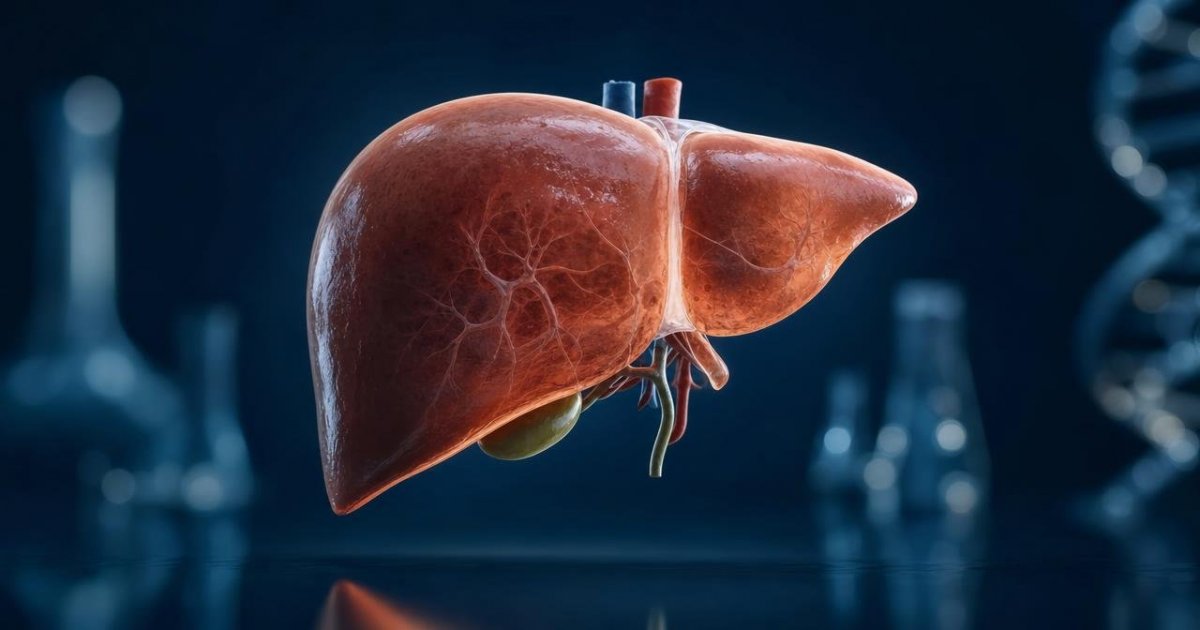
GGT (gamma-glutamyl transferase) is an enzyme concentrated in the liver and, above all, in the bile ducts — the drainage system that carries bile from the liver to the intestine. Smaller amounts sit in the kidneys and pancreas. Normally only a trickle of GGT circulates in the blood, so when liver or bile duct cells are irritated, injured, or forced to work harder, the blood level climbs early and noticeably. That sensitivity is GGT's whole value: it is one of the first liver numbers to move, even when it can't say why.
GGT has two classic jobs on a lab report. First, it acts as a tie-breaker for alkaline phosphatase (ALP): ALP comes from both bone and liver, so when ALP is high, a high GGT says the liver is the likely source, while a normal GGT points to bone. Second, GGT is the liver enzyme most responsive to alcohol — regular drinking raises it and sustained abstinence lowers it over weeks — so clinicians sometimes use it to monitor drinking patterns. Beyond the liver, research has repeatedly linked higher GGT with metabolic syndrome, fatty liver disease, and cardiovascular risk, which is why a mildly elevated GGT is increasingly read as a general metabolic warning light and not just a 'liver test.'
Men run higher than women on average, so most US labs — including Mayo Clinic Laboratories, whose convention this page follows — publish sex-specific ranges: roughly 8–61 U/L for adult men and 5–36 U/L for adult women. Ranges genuinely differ between laboratories, so the range printed on your own report always wins.
Reference ranges
Men
The typical adult male reference range is 8–61 U/L, following Mayo Clinic Laboratories' convention; your lab's printed range may differ slightly. This page's scale runs from 5 to 600 U/L — real-world GGT values can occasionally exceed 600, and anything at or beyond the top of this scale reads the same way: severe.
| Range (U/L) | Classification |
|---|---|
| 5–8 | Below typical range |
| 8–61 | Normal |
| 61–92 | Borderline high |
| 92–183 | High |
| 183–244 | Markedly high |
| 244–300 | Very high |
| 300–600 | Severely high |
Women
The typical adult female reference range is 5–36 U/L, following Mayo Clinic Laboratories' convention; your lab's printed range may differ slightly. This page's scale runs from 5 to 600 U/L — real-world GGT values can occasionally exceed 600, and anything at or beyond the top of this scale reads the same way: severe.
How to read your result
Reading GGT is mostly about one direction: high. A low or low-normal GGT is generally neutral-to-good news and is not treated as a problem. For elevations, the degree matters. A value just over your sex's cutoff is common, frequently temporary, and often traces to alcohol in the past week, an everyday medication, or extra weight — a repeat test after an alcohol-free month is usually the smartest first move. Values several times the upper limit are a different conversation: they usually have an identifiable cause such as fatty liver, sustained drinking, a drug effect, or a bile flow problem, and they warrant a full liver panel and often an ultrasound. Values many times the upper limit — into the several hundreds — most often mean bile flow is substantially blocked or the liver is being seriously injured, and call for urgent rather than routine evaluation.
GGT is never interpreted alone. The pattern is the point: high GGT plus high ALP suggests a bile duct (cholestatic) problem; high GGT with high ALT/AST suggests liver cell inflammation; an isolated high GGT with everything else normal most often means alcohol, medications, or early fatty liver. And because GGT drifts with so many everyday factors, a single abnormal value is a reason to re-test and investigate — not a diagnosis.
What can shift this value
- Alcohol — even moderate regular drinking raises GGT, and a heavy weekend shortly before the draw can show up in the number
- Medications — anti-seizure drugs (phenytoin, carbamazepine, phenobarbital) are classic GGT-raisers; some antibiotics, statins, and NSAIDs can contribute
- Body weight and metabolic health — fatty liver linked to obesity, diabetes, or high triglycerides is a leading cause of chronically elevated GGT
- Smoking — smokers run measurably higher GGT than non-smokers
- Sex and age — men run higher than women, which is why ranges are sex-split; levels drift up modestly with age, especially in women
- Pregnancy — GGT tends to run lower than usual in late pregnancy, so pregnant readers need clinician interpretation
- Hormonal birth control and hormone therapy — can lower GGT somewhat
- Thyroid function — an underactive thyroid can pull GGT down
- Food and timing — GGT dips slightly after meals, which is why some labs ask for an 8-hour fast
- Lab-to-lab variation — different analyzers use different cutoffs, so always compare against your own report's printed range
When it's tested
GGT is usually not part of the standard US screening panels — it's not in the CBC, the basic metabolic panel (BMP), or most versions of the comprehensive metabolic panel (CMP), and many US hepatic function panels leave it out too. It's typically ordered on purpose: as a follow-up when ALP comes back high, as part of a liver work-up when symptoms or other enzymes raise questions, or to monitor alcohol use. In the UK and Singapore, by contrast, GGT is routinely bundled into the standard 'LFT' (liver function test) panel, so readers there often see it on every annual screen.
US, UK, and Singapore labs all report GGT in U/L (identical to IU/L), so no conversion is usually needed; the only other unit you may occasionally meet is µkat/L — multiply U/L by 0.0167 to convert.
Frequently asked questions
Is your value U/L a normal GGT level?
For adults, most US labs consider roughly 8–61 U/L normal for men and 5–36 U/L normal for women, following Mayo Clinic Laboratories' ranges. Compare your value with the reference range printed on your own report — cutoffs genuinely vary between labs, and some use a single limit near 30–50 U/L for everyone.
What causes a high GGT level?
The most common causes are alcohol (GGT is the liver enzyme most sensitive to drinking), fatty liver disease linked to weight, diabetes, or high triglycerides, everyday medications (especially anti-seizure drugs like phenytoin and carbamazepine, plus some antibiotics, statins, and NSAIDs), and bile duct problems such as gallstones. Less common causes include viral hepatitis, autoimmune bile duct disease, pancreas problems, and heart failure. Smoking also raises GGT modestly. The size of the elevation and the rest of your liver panel help your clinician sort out which of these applies to you.
Can alcohol alone explain a GGT of your value?
Often, yes — GGT responds to alcohol more than any other routine liver enzyme, and regular drinking can raise it to two or three times the upper limit, sometimes more. But alcohol should never be assumed to be the whole story: medications, fatty liver, and bile duct problems can produce the same numbers. The practical test is abstinence — with an otherwise healthy liver, GGT falls steadily over several alcohol-free weeks.
How long does it take for GGT to go down?
When the cause is removed — most commonly, when drinking stops — GGT falls gradually rather than overnight. It typically drops by about half every couple of weeks, and in a person whose liver is otherwise healthy it usually returns to normal within about four to six weeks of abstinence. If GGT stays high despite a genuine alcohol-free stretch, that's a signal to look harder for another cause with your clinician, such as fatty liver, a medication effect, or a bile duct problem.
Is a low GGT level bad?
No. A low GGT is generally neutral or even favorable — research links lower GGT with better metabolic health. Rarely, an underactive thyroid or certain medications (like clofibrate or hormonal birth control) nudge it down, but a low GGT is not something doctors treat.
Does a high GGT mean I have liver damage?
Not by itself. GGT is sensitive but not specific — it rises with irritation of liver or bile duct cells from many causes, including ones that are fully reversible, like recent alcohol or a medication effect. Doctors read GGT alongside ALT, AST, ALP, and bilirubin: a high GGT with a high ALP suggests a bile flow problem; a high GGT with normal everything else most often points to alcohol, medications, or fatty liver. Imaging (usually ultrasound) and repeat testing complete the picture. A single high GGT is a starting point for questions, not a diagnosis.
Browse GGT values
All 596 values from 5 to 600 U/L
- 5
- 6
- 7
- 8
- 9
- 10
- 11
- 12
- 13
- 14
- 15
- 16
- 17
- 18
- 19
- 20
- 21
- 22
- 23
- 24
- 25
- 26
- 27
- 28
- 29
- 30
- 31
- 32
- 33
- 34
- 35
- 36
- 37
- 38
- 39
- 40
- 41
- 42
- 43
- 44
- 45
- 46
- 47
- 48
- 49
- 50
- 51
- 52
- 53
- 54
- 55
- 56
- 57
- 58
- 59
- 60
- 61
- 62
- 63
- 64
- 65
- 66
- 67
- 68
- 69
- 70
- 71
- 72
- 73
- 74
- 75
- 76
- 77
- 78
- 79
- 80
- 81
- 82
- 83
- 84
- 85
- 86
- 87
- 88
- 89
- 90
- 91
- 92
- 93
- 94
- 95
- 96
- 97
- 98
- 99
- 100
- 101
- 102
- 103
- 104
- 105
- 106
- 107
- 108
- 109
- 110
- 111
- 112
- 113
- 114
- 115
- 116
- 117
- 118
- 119
- 120
- 121
- 122
- 123
- 124
- 125
- 126
- 127
- 128
- 129
- 130
- 131
- 132
- 133
- 134
- 135
- 136
- 137
- 138
- 139
- 140
- 141
- 142
- 143
- 144
- 145
- 146
- 147
- 148
- 149
- 150
- 151
- 152
- 153
- 154
- 155
- 156
- 157
- 158
- 159
- 160
- 161
- 162
- 163
- 164
- 165
- 166
- 167
- 168
- 169
- 170
- 171
- 172
- 173
- 174
- 175
- 176
- 177
- 178
- 179
- 180
- 181
- 182
- 183
- 184
- 185
- 186
- 187
- 188
- 189
- 190
- 191
- 192
- 193
- 194
- 195
- 196
- 197
- 198
- 199
- 200
- 201
- 202
- 203
- 204
- 205
- 206
- 207
- 208
- 209
- 210
- 211
- 212
- 213
- 214
- 215
- 216
- 217
- 218
- 219
- 220
- 221
- 222
- 223
- 224
- 225
- 226
- 227
- 228
- 229
- 230
- 231
- 232
- 233
- 234
- 235
- 236
- 237
- 238
- 239
- 240
- 241
- 242
- 243
- 244
- 245
- 246
- 247
- 248
- 249
- 250
- 251
- 252
- 253
- 254
- 255
- 256
- 257
- 258
- 259
- 260
- 261
- 262
- 263
- 264
- 265
- 266
- 267
- 268
- 269
- 270
- 271
- 272
- 273
- 274
- 275
- 276
- 277
- 278
- 279
- 280
- 281
- 282
- 283
- 284
- 285
- 286
- 287
- 288
- 289
- 290
- 291
- 292
- 293
- 294
- 295
- 296
- 297
- 298
- 299
- 300
- 301
- 302
- 303
- 304
- 305
- 306
- 307
- 308
- 309
- 310
- 311
- 312
- 313
- 314
- 315
- 316
- 317
- 318
- 319
- 320
- 321
- 322
- 323
- 324
- 325
- 326
- 327
- 328
- 329
- 330
- 331
- 332
- 333
- 334
- 335
- 336
- 337
- 338
- 339
- 340
- 341
- 342
- 343
- 344
- 345
- 346
- 347
- 348
- 349
- 350
- 351
- 352
- 353
- 354
- 355
- 356
- 357
- 358
- 359
- 360
- 361
- 362
- 363
- 364
- 365
- 366
- 367
- 368
- 369
- 370
- 371
- 372
- 373
- 374
- 375
- 376
- 377
- 378
- 379
- 380
- 381
- 382
- 383
- 384
- 385
- 386
- 387
- 388
- 389
- 390
- 391
- 392
- 393
- 394
- 395
- 396
- 397
- 398
- 399
- 400
- 401
- 402
- 403
- 404
- 405
- 406
- 407
- 408
- 409
- 410
- 411
- 412
- 413
- 414
- 415
- 416
- 417
- 418
- 419
- 420
- 421
- 422
- 423
- 424
- 425
- 426
- 427
- 428
- 429
- 430
- 431
- 432
- 433
- 434
- 435
- 436
- 437
- 438
- 439
- 440
- 441
- 442
- 443
- 444
- 445
- 446
- 447
- 448
- 449
- 450
- 451
- 452
- 453
- 454
- 455
- 456
- 457
- 458
- 459
- 460
- 461
- 462
- 463
- 464
- 465
- 466
- 467
- 468
- 469
- 470
- 471
- 472
- 473
- 474
- 475
- 476
- 477
- 478
- 479
- 480
- 481
- 482
- 483
- 484
- 485
- 486
- 487
- 488
- 489
- 490
- 491
- 492
- 493
- 494
- 495
- 496
- 497
- 498
- 499
- 500
- 501
- 502
- 503
- 504
- 505
- 506
- 507
- 508
- 509
- 510
- 511
- 512
- 513
- 514
- 515
- 516
- 517
- 518
- 519
- 520
- 521
- 522
- 523
- 524
- 525
- 526
- 527
- 528
- 529
- 530
- 531
- 532
- 533
- 534
- 535
- 536
- 537
- 538
- 539
- 540
- 541
- 542
- 543
- 544
- 545
- 546
- 547
- 548
- 549
- 550
- 551
- 552
- 553
- 554
- 555
- 556
- 557
- 558
- 559
- 560
- 561
- 562
- 563
- 564
- 565
- 566
- 567
- 568
- 569
- 570
- 571
- 572
- 573
- 574
- 575
- 576
- 577
- 578
- 579
- 580
- 581
- 582
- 583
- 584
- 585
- 586
- 587
- 588
- 589
- 590
- 591
- 592
- 593
- 594
- 595
- 596
- 597
- 598
- 599
- 600
Sources
- Gamma-Glutamyl Transferase (GGT) Test — MedlinePlus (National Library of Medicine)
- Gamma-glutamyl transferase (GGT) blood test — Mayo Clinic
- Gamma-Glutamyl Transferase (GGT) Test: What It Is & Results — Cleveland Clinic
- Liver Function Tests (StatPearls) — NCBI Bookshelf / StatPearls
- Alkaline Phosphatase and Gamma Glutamyltransferase (Clinical Methods) — NCBI Bookshelf
Educational information, not medical advice. Full disclaimer