Cholesterol (Total cholesterol, Serum cholesterol, Blood cholesterol, TC, Total blood cholesterol, Cholesterol, total)
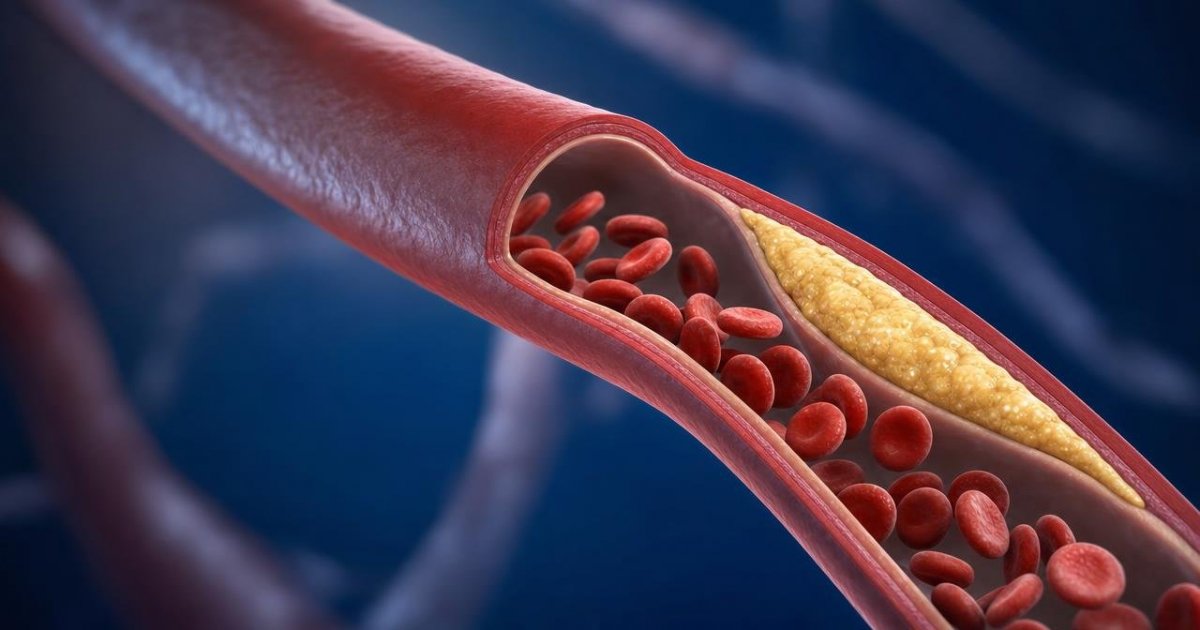
Cholesterol is a waxy, fat-like substance found in every cell of your body. You need some of it — it builds cell membranes, makes hormones like estrogen and testosterone, and helps produce vitamin D and the bile that digests fat. Your liver manufactures most of the cholesterol in your blood; the rest comes from animal-based foods. Because fat does not dissolve in blood, cholesterol travels inside protein-wrapped particles called lipoproteins, and the two you hear most about are LDL (which delivers cholesterol to tissues and can deposit it in artery walls) and HDL (which carries it back to the liver for disposal).
The "total cholesterol" number on a lab report adds up the cholesterol in all of those particles. It has been the headline number for decades because large studies showed that populations with higher totals have more heart disease. But it is a sum, so two people with the same total can have very different risk depending on how it splits between LDL and HDL. That is why total cholesterol is best read as a screening signal — a reason to look at the full lipid panel and your overall picture — rather than a verdict by itself.
US guidelines, following the National Cholesterol Education Program, classify an adult total below 200 mg/dL as desirable, 200–239 mg/dL as borderline high, and 240 mg/dL or above as high. Levels of 300 mg/dL and up are uncommon and often point to an inherited condition called familial hypercholesterolemia, which is very treatable once identified.
Reference ranges
Adults
The high-side cutoffs (desirable below 200 mg/dL, borderline high 200–239, high 240 and above) follow the US National Cholesterol Education Program (ATP III) categories most American labs print, and are the same for men and women. No US guideline defines an official "too low" line for total cholesterol, so the low-end boundaries here (low below 120 mg/dL, markedly low below 80 mg/dL) follow common clinical usage rather than a formal cutoff. This scale runs from 45 to 600 mg/dL; the rare results outside it call for the same response as the nearest extreme band.
How to read your result
High readings matter over years, not hours: elevated cholesterol quietly promotes plaque in artery walls, so the goal of treatment is lowering lifetime risk of heart attack and stroke. Read a high total in three steps — where it falls in the guideline bands (200 and 240 mg/dL are the key lines), what the HDL/LDL breakdown on the same panel shows, and what your overall risk factors (age, blood pressure, smoking, diabetes, family history) add up to. Low readings work differently: there is no official "too low" line, and a low total is usually benign or simply shows cholesterol medication working. It only earns attention when it is new, unexplained, or accompanied by symptoms like unintended weight loss, in which case clinicians check for thyroid, liver, or absorption problems.
What can shift this value
- Diet — saturated and trans fats raise cholesterol; soluble fiber and unsaturated fats lower it
- Genetics — inherited conditions like familial hypercholesterolemia can keep levels very high regardless of diet
- Thyroid function — an underactive thyroid raises cholesterol; an overactive one lowers it
- Body weight — gaining weight tends to raise cholesterol; losing excess weight lowers it
- Medications — statins and ezetimibe lower it; corticosteroids, thiazide diuretics, retinoids, and some immunosuppressants raise it
- Pregnancy — cholesterol rises naturally, especially in the second and third trimesters, and settles after delivery
- Menopause — levels commonly drift upward as estrogen falls
- Acute illness or surgery — cholesterol can drop temporarily for weeks afterward, so results during recovery may read falsely low
- Alcohol and smoking — heavy drinking disturbs the lipid profile, and smoking lowers protective HDL
- Normal variation — your level naturally fluctuates a few percent day to day, and different labs can read the same sample slightly differently
When it's tested
Total cholesterol is part of the standard lipid panel, which also reports HDL, LDL, and triglycerides. It is not included in a CBC or a basic/comprehensive metabolic panel, but a lipid panel is routinely ordered alongside them at annual physicals, insurance and employment screenings, and cardiovascular risk assessments. US guidance suggests most healthy adults check cholesterol every four to six years, with more frequent testing for people who have risk factors, take cholesterol medication, or had a prior abnormal result.
US labs report cholesterol in mg/dL while the UK, Singapore, and most other countries use mmol/L — multiply mg/dL by 0.0259 to convert (so 200 mg/dL is about 5.2 mmol/L, and {value} {unit} is about {si_value} {si_unit}).
Frequently asked questions
Is your value mg/dL a normal total cholesterol level?
US guidelines call a total cholesterol below 200 mg/dL desirable, 200–239 mg/dL borderline high, and 240 mg/dL or above high. Where your value falls in those categories matters less than your full lipid panel and overall risk, so review it with your clinician.
What total cholesterol level is considered dangerous?
Unlike some lab values, total cholesterol has no "panic" number that sends you to the ER — its danger builds silently over years by narrowing arteries. Guidelines flag 240 mg/dL and above as high, and levels of 300 mg/dL or more warrant prompt evaluation because they often signal an inherited condition. The real danger comes from leaving a high level untreated for years, not from any single day's reading.
Do I need to fast before a cholesterol test?
Often not anymore. Total cholesterol and HDL barely change after eating, so many clinicians now accept nonfasting lipid panels for screening. Fasting (typically 9–12 hours, water allowed) mainly matters when triglycerides or a calculated LDL need to be precise. If your result was borderline or unexpected, your clinician may repeat it fasting — follow the instructions your lab or clinician gives you.
Can I lower my cholesterol with diet and exercise alone?
Often, yes — meaningfully. Cutting saturated fat, adding soluble fiber (oats, beans, fruit), losing excess weight, and exercising regularly can lower total cholesterol, commonly enough to move a borderline number back into the desirable range within a few months. How far lifestyle alone can take you depends on how much of your level is driven by genetics, so recheck after 3–6 months and review the result with your clinician.
Is a total cholesterol of your value mg/dL too low?
There is no official "too low" cutoff for total cholesterol, and guidelines focus on levels that are too high. Values under about 120 mg/dL are uncommon and occasionally reflect an underlying issue such as an overactive thyroid, liver disease, or poor nutrient absorption — something your clinician can check with simple tests if there is any concern.
Does high cholesterol cause any symptoms?
Almost never — that is why it is called a silent risk factor. You cannot feel high cholesterol; the first "symptom" of years of untreated high cholesterol can be a heart attack or stroke. The rare exceptions are visible signs at very high, usually inherited levels: yellowish bumps on tendons, patches on the eyelids, or a gray ring around the iris at a young age. A blood test is the only reliable way to know your level.
Browse Cholesterol values
All 556 values from 45 to 600 mg/dL
- 45
- 46
- 47
- 48
- 49
- 50
- 51
- 52
- 53
- 54
- 55
- 56
- 57
- 58
- 59
- 60
- 61
- 62
- 63
- 64
- 65
- 66
- 67
- 68
- 69
- 70
- 71
- 72
- 73
- 74
- 75
- 76
- 77
- 78
- 79
- 80
- 81
- 82
- 83
- 84
- 85
- 86
- 87
- 88
- 89
- 90
- 91
- 92
- 93
- 94
- 95
- 96
- 97
- 98
- 99
- 100
- 101
- 102
- 103
- 104
- 105
- 106
- 107
- 108
- 109
- 110
- 111
- 112
- 113
- 114
- 115
- 116
- 117
- 118
- 119
- 120
- 121
- 122
- 123
- 124
- 125
- 126
- 127
- 128
- 129
- 130
- 131
- 132
- 133
- 134
- 135
- 136
- 137
- 138
- 139
- 140
- 141
- 142
- 143
- 144
- 145
- 146
- 147
- 148
- 149
- 150
- 151
- 152
- 153
- 154
- 155
- 156
- 157
- 158
- 159
- 160
- 161
- 162
- 163
- 164
- 165
- 166
- 167
- 168
- 169
- 170
- 171
- 172
- 173
- 174
- 175
- 176
- 177
- 178
- 179
- 180
- 181
- 182
- 183
- 184
- 185
- 186
- 187
- 188
- 189
- 190
- 191
- 192
- 193
- 194
- 195
- 196
- 197
- 198
- 199
- 200
- 201
- 202
- 203
- 204
- 205
- 206
- 207
- 208
- 209
- 210
- 211
- 212
- 213
- 214
- 215
- 216
- 217
- 218
- 219
- 220
- 221
- 222
- 223
- 224
- 225
- 226
- 227
- 228
- 229
- 230
- 231
- 232
- 233
- 234
- 235
- 236
- 237
- 238
- 239
- 240
- 241
- 242
- 243
- 244
- 245
- 246
- 247
- 248
- 249
- 250
- 251
- 252
- 253
- 254
- 255
- 256
- 257
- 258
- 259
- 260
- 261
- 262
- 263
- 264
- 265
- 266
- 267
- 268
- 269
- 270
- 271
- 272
- 273
- 274
- 275
- 276
- 277
- 278
- 279
- 280
- 281
- 282
- 283
- 284
- 285
- 286
- 287
- 288
- 289
- 290
- 291
- 292
- 293
- 294
- 295
- 296
- 297
- 298
- 299
- 300
- 301
- 302
- 303
- 304
- 305
- 306
- 307
- 308
- 309
- 310
- 311
- 312
- 313
- 314
- 315
- 316
- 317
- 318
- 319
- 320
- 321
- 322
- 323
- 324
- 325
- 326
- 327
- 328
- 329
- 330
- 331
- 332
- 333
- 334
- 335
- 336
- 337
- 338
- 339
- 340
- 341
- 342
- 343
- 344
- 345
- 346
- 347
- 348
- 349
- 350
- 351
- 352
- 353
- 354
- 355
- 356
- 357
- 358
- 359
- 360
- 361
- 362
- 363
- 364
- 365
- 366
- 367
- 368
- 369
- 370
- 371
- 372
- 373
- 374
- 375
- 376
- 377
- 378
- 379
- 380
- 381
- 382
- 383
- 384
- 385
- 386
- 387
- 388
- 389
- 390
- 391
- 392
- 393
- 394
- 395
- 396
- 397
- 398
- 399
- 400
- 401
- 402
- 403
- 404
- 405
- 406
- 407
- 408
- 409
- 410
- 411
- 412
- 413
- 414
- 415
- 416
- 417
- 418
- 419
- 420
- 421
- 422
- 423
- 424
- 425
- 426
- 427
- 428
- 429
- 430
- 431
- 432
- 433
- 434
- 435
- 436
- 437
- 438
- 439
- 440
- 441
- 442
- 443
- 444
- 445
- 446
- 447
- 448
- 449
- 450
- 451
- 452
- 453
- 454
- 455
- 456
- 457
- 458
- 459
- 460
- 461
- 462
- 463
- 464
- 465
- 466
- 467
- 468
- 469
- 470
- 471
- 472
- 473
- 474
- 475
- 476
- 477
- 478
- 479
- 480
- 481
- 482
- 483
- 484
- 485
- 486
- 487
- 488
- 489
- 490
- 491
- 492
- 493
- 494
- 495
- 496
- 497
- 498
- 499
- 500
- 501
- 502
- 503
- 504
- 505
- 506
- 507
- 508
- 509
- 510
- 511
- 512
- 513
- 514
- 515
- 516
- 517
- 518
- 519
- 520
- 521
- 522
- 523
- 524
- 525
- 526
- 527
- 528
- 529
- 530
- 531
- 532
- 533
- 534
- 535
- 536
- 537
- 538
- 539
- 540
- 541
- 542
- 543
- 544
- 545
- 546
- 547
- 548
- 549
- 550
- 551
- 552
- 553
- 554
- 555
- 556
- 557
- 558
- 559
- 560
- 561
- 562
- 563
- 564
- 565
- 566
- 567
- 568
- 569
- 570
- 571
- 572
- 573
- 574
- 575
- 576
- 577
- 578
- 579
- 580
- 581
- 582
- 583
- 584
- 585
- 586
- 587
- 588
- 589
- 590
- 591
- 592
- 593
- 594
- 595
- 596
- 597
- 598
- 599
- 600
Sources
- Cholesterol Levels: What You Need to Know — MedlinePlus (US National Library of Medicine)
- Cholesterol test — Mayo Clinic
- Hypercholesterolemia (StatPearls) — NCBI Bookshelf / StatPearls
- ATP III Guidelines At-A-Glance Quick Desk Reference — National Heart, Lung, and Blood Institute (NHLBI)
- About Cholesterol — American Heart Association
Educational information, not medical advice. Full disclaimer